
International Relations and Deplomacy
Establishment of the Department of International Relations and Diplomacy in General 2019 Guarantor of the Faculty of Political Sciences at Salahuddin University – Erbil, in response to the need for additional training, Academic and professional in the fields of international relations and diplomacy in the Kurdistan region and Iraq in general.
It is committed to providing high-quality academic education that enables students to understand global political dynamics, the international system, foreign policy, and international law. The academic program relies on the integration of theoretical and analytical aspects and the development of practical skills in the fields of diplomacy, public diplomacy, and policy analysis. The department currently offers a bachelor's degree in international relations and diplomacy, and aims to open a research program on developing a scientific research base and participating in the production of Political knowledge that is related to local, regional, and international realities.
Through a specialized teaching staff and modern curriculum, the oath aims to ensure that foreigners possess the scientific qualifications and professional skills needed to work in the diplomatic field. International organizations, research centers, government, and media institutions.
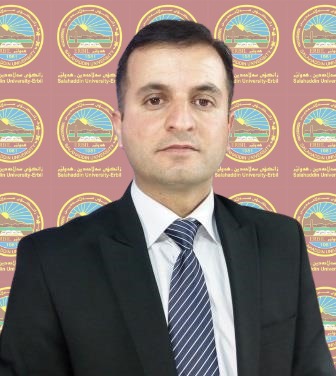
Dr. Bestun Anwar
My research interests include international relations, diplomacy, strategy, and national security, with a particular focus on national security Turkish, Iraqi and Kurdistan region government. In ( 2003) I received a Diploma from the Medical Institute, in (2007), BA in Political Science from Salahaddin University-Erbil (SUE) I completed an MA (2014) from Cairo University, and a PhD (2024) in International Relations from the University of Salahaddin-Erbil. The primary concern of my PhD research was the national security as a dimension basic in Turkish Strategy towards Iraq (2011-2023), This thesis demonstrates the clear relationship between national security and strategy, and how national security influences Turkish strategy towards Iraq. From 2015 to 2019, I worked as an assistant lecturer at the College of Law and political Science. Then, I have been a lecturer at the same University. / College of political Science since 2019. In addition, I acted as the international relation and diplomacy department’s rapporteur (2022-2024), In addition, I have been a member of the College of political Science examination committee from (2019 to 2024), Also, I am very proud of this. Starting in 2024 and continuing to the present, I am the Head of the international relation and diplomacy department.
The Department of International Relations and Diplomacy is committed to providing distinguished academic education that promotes a deep understanding of international politics and diplomacy and develops skills in political analysis and effective communication. The department seeks to graduate students who are academically and professionally qualified to address regional and international challenges and contribute to building an informed and responsible political society through academic research, community service, and engagement with contemporary international issues.
visionThe Department of International Relations and Diplomacy is committed to providing distinguished academic education that promotes a deep understanding of international politics and diplomacy and develops skills in political analysis and effective communication. The department seeks to graduate students who are academically and professionally qualified to address regional and international challenges and contribute to building an informed and responsible political society through academic research, community service, and engagement with contemporary international issues.
Graduates from the Department of International Relations and diplomacy will:
- Demonstrate a deep understanding of basic theories and concepts in international relations, foreign policy, and diplomacy.
- Analysis of global political and economic issues using several methodological and logical tools.
- Assessment of international policies and interpretation of geopolitical and regional dynamics.
- Practice critical thinking and problem-solving skills in established diplomatic and political contexts.
- Demonstrate excellent oral and written communication skills, especially in preparing political speeches, presentations, and media analysis.
- Adherence to ethical and professional standards in diplomatic and political work, and respect for cultural diversity and international differences.
- Ability to work in diplomatic circles, international organizations, research centers, government institutions, or following higher studies.
Degree Program Overview
The Department of International Relations and Diplomacy provides undergraduate programs in International Relations and Diplomatic Studies. These programs are intended to offer students a comprehensive understanding of global politics, international law, and diplomatic practice, combining theoretical knowledge with extensive practical experience. Graduates can pursue advanced studies and meet the requirements of careers in diplomacy, international organizations, government agencies, non-governmental organizations, and related fields.
International Relations Program
The International Relations program provides in-depth knowledge of the fundamental principles of global politics and international systems, with a special focus on political theory, comparative politics, international security, global economics, and regional studies. International law, conflict resolution, human rights, foreign policy analysis, global governance, political economy, and cross-cultural communication are among the varied subjects that students explore. The curriculum prioritizes the integration of theory and practice through case studies, simulations, field research, and policy analysis projects. This program provides students with the necessary skills for exploring an extensive range of career opportunities, such as positions in foreign ministries, international organizations, think tanks, and policy research institutes.
Key features of the International Relations program include:- Core Courses Core Courses in Political Theory, International Law, Comparative Politics, Global Economics, and International Security Studies.
- Elective courses Elective courses allow students to specialize in specific areas of interest, such as regional studies, environmental diplomacy, and international development.
- Research Project Research Project in the final year to develop analytical research and policy analysis skills.
Diplomatic Studies Program
The Diplomatic Studies program highlights the application of international relations principles into the fields of diplomacy and foreign policy practice. It includes essential fields: diplomatic protocol, negotiation theory, consular services, international trade law, multilateral diplomacy, and crisis management. This program provides students with the necessary skills and knowledge for future careers in diplomatic missions, international organizations, foreign ministries, and multinational corporations. It also provides a strong basis for individuals pursuing careers in international business, foreign correspondence, or advanced diplomatic studies.
Key features of the Diplomatic Studies program include:- Core courses Core courses in Diplomatic History, Negotiation and Mediation, International Organizations, Protocol and Etiquette, and Foreign Policy Analysis.
- Elective courses Elective courses to explore specialized fields like economic diplomacy, cultural relations, and digital diplomacy.
- Practical training Practical training in diplomatic simulation exercises, language proficiency development, and cross-cultural communication protocols.
- Research Project Research Project in the final year to enhance analytical and problem-solving skills in international affairs.
Program Structure
Both degree programs are four-year, full-time Bachelor of Arts (B.A.) programs structured according to the European Credit Transfer and Accumulation System (ECTS). Each academic year is divided into two semesters, with students completing 30 ECTS credits per semester.
- Years 1 and 2 focus on foundational courses in political science, history, economics, and essential skills (e.g., research methodology and academic writing).
- Years 3 and 4 encompass electives, research projects, and specialized and advanced courses customized to each program.
Career Readiness and Development
The programs prioritize ethical practices in international relations, research skills, and practical experience. Students obtain advantages from:- Simulation exercises that employ contemporary diplomatic scenarios and technologies. Opportunities for real-world experience through internships at embassies, international organizations, and NGOs. Academic advising and career services to facilitate employment or further education..
Postgraduate Studies
TThe college of Political Science at Salahaddin University-Erbil offers robust postgraduate programs to advance knowledge, foster research innovation, and develop specialized expertise in international relations and diplomacy.
Program Offerings
- Master of Science (M.Sc.) in international relations and diplomacy
- International Relations Theory and Practice
- Diplomatic History and Protocol
- Global Governance and International Organizations
- Conflict Resolution and Peacebuilding
- International Security Studies
- Regional Studies and Comparative Foreign Policy
- Coursework (60 ECTS): Advanced topics in international relations and diplomacy tailored to the student's area of specialization..
- Research Thesis (60 ECTS): An independent research project culminating in a thesis defense..
- Demonstrate advanced knowledge in their chosen field of international relations and diplomacy.
- Design, conduct, and analyze international affairs research using appropriate methodologies.
- Communicate diplomatic findings and policy recommendations effectively in written and oral formats.
- Apply critical thinking to address complex international and diplomatic challenges.
- Work independently and collaboratively in diplomatic and international research settings.
- Doctor of Philosophy (Ph.D.) in International Relations and Diplomacy
- Advanced Coursework (30 ECTS): Topics tailored to support the research project.
- Research and Dissertation (150 ECTS): Original research culminating in a dissertation and defense.
- Conduct independent, original research that contributes to the body of knowledge in international relations and diplomatic studies.
- Publish research findings in peer-reviewed international relations journals.
- Exhibit advanced problem-solving and critical-thinking skills in international contexts.
- Lead research projects and mentor junior researchers in diplomatic studies.
- Demonstrate expertise in a specialized area of international relations or diplomatic practice.
- Bachelor's degree in political science, public administration, international relations, or a closely related field.
- Minimum academic performance by university regulations.
- Proficiency in English (demonstrated through tests like IELTS or TOEFL).
- Successful performance in the entrance exam and interview.
- Master's degree in international relations and diplomacy, related discipline.
- Proven research experience, preferably with publications in academic journals.
- Submission of a detailed research proposal aligned with the department's expertise.
- Proficiency in English (demonstrated through tests like IELTS or TOEFL).
- Successful performance in the entrance exam and interview.
The M.Sc. program is designed to provide students with advanced theoretical knowledge and practical research skills in various aspects of international relations theory, diplomatic practice, and global governance. The program emphasizes coursework and research to prepare students for academic, diplomatic, or policy-oriented careers in international affairs and diplomatic services:
ECTS Distribution: The program is structured to include 120 ECTS over two academic years:
The program is structured to include 120 ECTS over two academic years:
Learning Outcomes:
Graduates of the M.Sc. program will:
The Ph.D. program focuses on original research contributions to the field of international relations and diplomatic studies, aiming to develop experts capable of advancing international knowledge through innovative and impactful research.
Specialization Areas:Students work closely with faculty mentors to focus on a specific research area within international relations and diplomacy. ECTS Distribution:
The Ph.D. program requires 180 ECTS, typically completed over three to four years:
Graduates of the Ph.D. program will:
The department has modern research facilities, diplomatic simulation labs, and computational resources to support postgraduate students' academic journeys. Access to international databases, diplomatic archives, and policy research tools are available. Collaborative opportunities with national and international institutions, embassies, and international organizations are also available, encouraging interdisciplinary research and innovation in international relations and diplomatic studies.
The postgraduate programs are designed to empower students to become leaders in their respective fields, whether in academia, diplomatic services, international organizations, or policy institutes, and contribute meaningfully to advancing international relations knowledge and diplomatic understanding.
Degree Program Overview
The Department of International Relations and Diplomacy provides undergraduate programs in International Relations and Diplomatic Studies. These programs are intended to offer students a comprehensive understanding of global politics, international law, and diplomatic practice, combining theoretical knowledge with extensive practical experience. Graduates can pursue advanced studies and meet the requirements of careers in foreign service, international organizations, academia, research, policy analysis, and related fields.
International Relations Program
The International Relations program provides in-depth knowledge of the fundamental principles of global politics and international systems, with a special focus on political theory, comparative politics, international security, global economics, and regional studies. Students explore varied subjects including international law, conflict resolution, human rights, political economy, diplomacy, foreign policy analysis, and international organizations. The curriculum prioritizes the integration of theory and practice through research projects, case studies, and simulation exercises. This program provides students with the necessary skills for exploring an extensive range of career opportunities, such as positions in government agencies, international organizations, think tanks, non-governmental organizations, and policy research institutions.
Key features of the International Relations program include:- Core Courses in Political Theory, International Law, Comparative Politics, International Security, and Global Political Economy.
- Elective courses allow students to specialize in specific areas of interest, such as Middle Eastern politics, European integration, or conflict resolution.
- Research Project in the final year to develop analytical investigation and policy analysis skills.
Diplomatic Studies Program
The Diplomatic Studies program highlights the application of international relations principles into the fields of diplomacy and foreign policy practice. It includes essential fields: diplomatic history, negotiation theory, consular affairs, international trade, cultural diplomacy, and protocol studies. This program provides students with the necessary skills and knowledge for future careers in foreign ministries, embassies, international organizations, and multinational corporations. It also provides a strong basis for individuals pursuing careers in international business, diplomatic service, or advanced international studies.
Key features of the Diplomatic Studies program include:- Core courses in diplomatic history, negotiation techniques, international law, protocol and etiquette, and foreign policy analysis.
- Elective courses to explore specialized fields like economic diplomacy, public diplomacy, and multilateral negotiations.
- Practical training in diplomatic simulation exercises, language proficiency, and cross-cultural communication.
- Research Project Research Project in the final year to enhance analytical and problem-solving skills in international contexts.
Program Structure
Both degree programs are four-year, full-time Bachelor of Arts (B.A.) programs structured according to the European Credit Transfer and Accumulation System (ECTS). Each academic year is divided into two semesters, with students completing 30 ECTS credits per semester.
- Years 1 and 2 focus on foundational courses in political science, history, economics, and essential skills (e.g., research methodology, academic writing, and foreign language proficiency).
- Years 3 and 4 encompass electives, research projects, and specialized and advanced courses customized to each program.
Career Readiness and Development
The programs prioritize ethical practices in international relations, research skills, and practical experience. Students obtain advantages from:- Simulation exercises that employ contemporary diplomatic scenarios. •Opportunities for real-world experience through internships at embassies, international organizations, and government agencies • Academic advising and career services to facilitate employment in foreign service or further education .
Postgraduate Studies
The Department of International Relations and Diplomacy at Salahaddin University-Erbil offers comprehensive postgraduate programs to advance knowledge, foster research innovation, and develop specialized expertise in international affairs, diplomatic studies, and global governance.
Program Offerings
- 1. Master of Arts (M.A.) in International Relations and Diplomacy
- International Security Studies
- Diplomatic Practice and Protocol
- International Political Economy
- Regional Studies (Middle East, Europe, Asia-Pacific)
- International Law and Organizations
- Conflict Resolution and Peacebuilding
- Coursework (60 ECTS): Advanced topics in international relations theory, diplomatic history, and specialized areas of study.
- Research Thesis (60 ECTS): An independent research project on a significant international relations topic, culminating in a thesis defense.
- Demonstrate advanced knowledge of international relations theory and diplomatic practice.
- Analyze complex global issues using appropriate theoretical frameworks and methodologies.
- Communicate policy recommendations and research findings effectively in written and oral formats.
- Apply critical thinking to address contemporary international challenges.
- Work effectively in multicultural and multilateral environments.
- Doctor of Philosophy (Ph.D.) in International Relations and Diplomacy
- Advanced Coursework (30 ECTS): Specialized topics in research methodology, advanced theory, and areas supporting the dissertation research.
- Research and Dissertation (150 ECTS): Original research culminating in a dissertation and defense.
- Conduct independent, original research that contributes significantly to international relations scholarship.
- Demonstrate expertise in a specialized area of international relations and diplomacy.
- Publish research findings in peer-reviewed academic journals and policy publications.
- Exhibit advanced analytical and critical-thinking skills in addressing global challenges.
- Lead research projects and mentor junior scholars and practitioners.
- Bachelor's degree in international relations, political science, or a closely related field..
- Minimum academic performance according to university regulations.
- Proficiency in English (demonstrated through tests like IELTS or TOEFL).
- Successful performance in the entrance exam and interview.
- Master's degree in international relations, political science, or a related discipline.
- Proven research experience, preferably with publications in academic journals or policy papers.
- Submission of a detailed research proposal aligned with the department's areas of expertise.
- Proficiency in English (demonstrated through tests like IELTS or TOEFL).
- Proficiency in relevant foreign languages for research purposes.
The M.A. program is designed to provide students with advanced theoretical knowledge and practical analytical skills in various disciplines of international relations and diplomatic practice. The program emphasizes rigorous coursework and applied research to prepare students for careers in diplomacy, international organizations, government agencies, NGOs, and academic institutions.
Focus Areas:ECTS Distribution:
The program is structured to include 120 ECTS over two academic years:
Learning Outcomes:
Graduates of the M.Sc. program will:
The Ph.D. program focuses on original research contributions to the field of international relations and diplomatic studies, aiming to develop scholars and practitioners capable of advancing the discipline through innovative and impactful research.
Specialization Areas:Students work closely with faculty mentors to focus on specific research areas within international relations, such as international security, diplomatic history, regional studies, international political economy, or global governance.
ECTS Distribution:The Ph.D. program requires 180 ECTS, typically completed over three to four years:
Graduates of the Ph.D. program will:
The department maintains specialized resources including access to international databases, diplomatic archives, simulation facilities for Model UN and diplomatic negotiations, and computational resources for quantitative analysis. The department actively promotes collaborative opportunities with government institutions, diplomatic missions, international organizations, and academic institutions both nationally and internationally, encouraging interdisciplinary research and policy-relevant scholarship.
The postgraduate programs are designed to prepare students for leadership roles in various sectors including diplomatic service, international organizations (UN, EU, Arab League), government agencies, think tanks, NGOs, multinational corporations, media, and academia. Graduates contribute meaningfully to advancing understanding of international affairs and addressing global challenges through informed analysis and effective diplomacy.
Admissions
The Department of International relations and diplomacy offers two types of study options for prospective students, ensuring accessibility and flexibility based on individual circumstances:
- Zankoline (government-funded) Study
- Description: This option provides free tuition for students who meet the eligibility criteria and are accepted through the general centralized admission system, known as "Zancoline."
- Eligibility:
- Applicants must meet the academic requirements of the Ministry of Higher Education and Scientific Research.
- Selection is competitive and based on high school scores, particularly in social sciences and humanities subjects.
- Benefits:
- Exemption from tuition fees.
- Access to complete university services and facilities.
- Parallel Study (Self-Funded)
- Description: This option allows students who do not secure a Zankoline seat to pursue their studies by paying a tuition fee.
- Tuition Fee: 3,000,000 IQD per year.
- Eligibility:
- Students must meet the minimum academic requirements for admission to the International relations and diplomacy program.
- This option provides additional opportunities for students to catch up on the Zankoline criteria.
- Benefits:
- Access to the same high-quality education, resources, and facilities as Zancoline students.
- Students can pursue their academic goals without being limited by centralized admission quotas.
Admission Requirements for Both Tracks
- Academic Qualifications:
- o Completion of high school with a focus on the humanities or social sciences track (history, geography, civics, and economics).
- Minimum GPA as determined by the Ministry of Higher Education.
- Application Process:
- Apply through the centralized admission system for Zankoline
- Submit required documents, including transcripts, identification, and certificates.
- Language Proficiency:
- Basic proficiency in English, as several courses are delivered in English.
- Kurdish language proficiency is also beneficial.
Graduate Employability
The Department of Biology is committed to equipping graduates at all levels, “Bachelor’s, Master’s, and Doctorate,” with the knowledge, skills, and experiences necessary to thrive in diverse career paths. Our graduates are well-prepared for opportunities in academia, industry, government, and beyond, with a focus on contributing to scientific advancement and societal development.
- Bachelor of Science (B.Sc.) in Biology
- Medical and Diagnostic Laboratories: Assisting in disease diagnosis, treatment monitoring, and health promotion.
- Biotechnology and Pharmaceutical Companies: Roles in research, quality control, and production.
- Environmental and Conservation Organizations: Contributing to biodiversity, ecological management, and sustainability projects.
- Quality Control and Food Safety: Ensuring compliance with safety standards in food production and industrial processes.
- Education: Teaching biology at secondary schools or training centers.
- Government and NGOs: Roles in health departments, environmental agencies, or research initiatives.
- Laboratory competency with modern techniques and tools.
- Analytical and problem-solving abilities for addressing biological challenges.
- Effective communication for scientific and public engagement.
- Master of Science (M.Sc.) in Biology
- Research Institutions: Conducting applied or fundamental research in biology.
- Biotechnology and Pharmaceutical Industries: Leading roles in research and development, drug discovery, and genetic engineering.
- Higher Education: Teaching at universities or supervising undergraduate research.
- Clinical and Diagnostic Laboratories: Developing and applying advanced diagnostic tools and techniques.
- Environmental Agencies: Leading conservation projects or conducting environmental impact assessments.
- Science Communication: Working in scientific publishing, journalism, or outreach programs.
- Advanced problem-solving and critical-thinking skills.
- Proficiency in designing, conducting, and analyzing research.
- Ability to lead projects and collaborate across disciplines.
- Doctor of Philosophy (Ph.D.) in Biology
- Academia: Professorships, research supervision, and curriculum development.
- Industry Leadership: Roles as senior scientists or directors in biotech, pharmaceutical, and biomedical companies.
- Government and Policy: Shaping health, environment, and education policies.
- Research Institutions: Leading cutting-edge research projects with significant societal impact.
- Global Organizations: Contributing to international health, conservation, or scientific initiatives (e.g., WHO, UNESCO).
- Entrepreneurship: Founding biotech startups or consulting firms.
- Mastery of specialized research techniques and methodologies.
- Ability to publish high-impact scientific findings.
- Leadership in interdisciplinary and collaborative projects.
- Strategic thinking for problem-solving at organizational and societal levels.
Graduates of the B.Sc. program possess foundational knowledge and practical skills that open doors to a variety of career opportunities:
Career Paths:M.Sc. graduates are highly sought after for specialized roles requiring advanced expertise and research experience:
Career Paths:Ph.D. graduates are distinguished by their expertise, critical thinking, and capacity for innovation. They are well-prepared to take on academia, research, and industry leadership roles.
Career Paths:Academic Advising
The Department of International Relations is dedicated to facilitating students' academic journeys by providing comprehensive academic advising services. These services guarantee that students receive the necessary support to achieve their educational and professional objectives while maintaining academic success.
Academic Advising Services
- Individualized Advising Sessions: Each student is assigned an academic advisor who provides personalized guidance specifically tailored to the student's interests, strengths, and career aspirations. Advisors also support the selection of courses, the development of academic pathways, and the resolution of educational challenges.
- Course Selection and Registration Support: Advisors assist students in selecting appropriate courses each semester to guarantee that they make rapid progress toward graduation. Registration assistance is offered to help students avoid scheduling conflicts and fulfill prerequisite requirements.
- Career Planning and Development: Academic advisors provide helpful advice concerning internships, postgraduate opportunities, and potential career paths. Graduate students may obtain guidance regarding their research interests, thesis topics, and program selection.
- Monitoring Academic Performance: Advisors evaluate student progress and offer assistance when academic obstacles arise. Students are assisted in maintaining their academic progress by implementing early intervention strategies, including tutoring recommendations and study skill seminars.
- Workshops and Seminars: Workshops are conducted regularly to improve student success, including study skills, time management, research techniques, and career development. Advisors may also arrange seminars involving guest speakers from academia, government, diplomatic corps, and international organizations to provide students with an understanding of real-world applications of international relations.
Career Services
The Department of International Relations is dedicated to providing comprehensive career services to assist students in their professional development. These services are intended to assist students in pursuing their career objectives, regardless of whether they intend to pursue graduate studies, enter the workforce, or explore entrepreneurial opportunities in global affairs. Career services provide students with the skills, resources, and insights to navigate the international job market effectively.
Key Career Services Offered
- Career counseling and advice: Students receive personalized career counseling sessions to assist them in identifying their strengths, interests, and potential career paths in diplomacy, international organizations, global business, policy analysis, non-governmental organizations, and related sectors. Advisors offer guidance on postgraduate study opportunities, career planning, and job search strategies tailored to the global marketplace.
- Workshops and Seminars: The department conducts workshops and seminars on various topics, including interview preparation, cross-cultural communication skills, global job market trends, and resume and cover letter writing for international positions. These sessions help students build confidence and gain practical knowledge for pursuing careers in international affairs.
- These sessions help students build confidence and gain practical knowledge for the job search process.
- Job Placement Assistance: The department partners with embassies, international organizations, multinational corporations, think tanks, NGOs, government agencies, and consulting firms to facilitate connections between students and potential employers. Employment placement support includes disseminating job postings, internship opportunities, and recruitment events focused on international careers.
- Career Fairs and Networking Events: Annual career fairs provide students opportunities to network with potential employers, gain insights into various career paths in international relations, and explore global career possibilities. Alumni working in diplomatic missions, international organizations, and multinational companies, along with industry professionals and faculty members, participate in networking events to help students establish professional relationships.
- Graduate School Guidance: SSupporting students who intend to pursue M.A. or Ph.D. programs in international relations, political science, or related fields, including assistance with research proposal development, personal statement composition, and graduate school applications. Information sessions cover opportunities for higher education both domestically and internationally, including programs abroad.
- Entrepreneurship Support: Career services offer resources on business planning, funding opportunities, and innovation in global affairs to students interested in establishing their own organizations or consulting practices. This includes collaboration with university entrepreneurship programs, international business incubators, and social enterprise initiatives.